MedTech is moving out of the clinic and into our daily lives. In a new article published in HealthTech Digital, Co-founder Oscar Daws explains why the biggest challenge for new devices isn’t just the science – it’s competing with the high bar set by consumer tech and lifestyle brands.
The move toward home-based care and self-testing isn’t exactly news, but the way these products are being judged definitely is. MedTech companies are no longer just competing with each other. They are being compared to Apple, Peloton, and the beautifully designed wellness brands that people actually want to have in their homes.
When a product moves from a hospital ward to a living room, the rules of engagement change. Clinical performance is still the foundation, but it’s no longer enough to stand out on its own. The takeaway for product teams is pretty simple: if standout design isn’t already considered a core requirement for your device, it should be.
We don’t just talk about this shift – we’re helping our partners navigate it. Here are two examples of how we’ve turned clinical requirements into consumer-led experiences:
Reframing the ritual
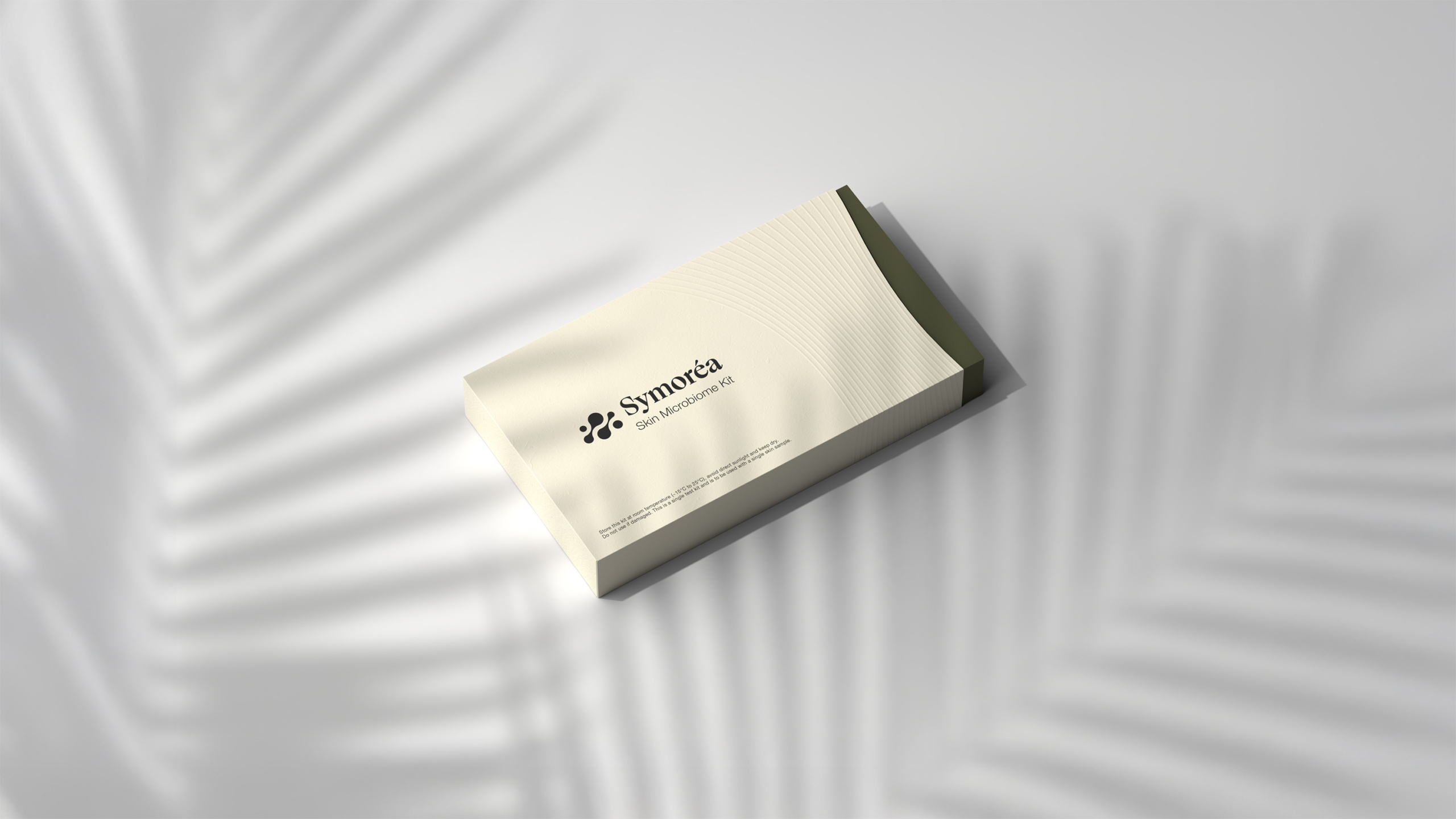
We designed skin microbiome testing kit Symoréa to bridge the gap between biotechnology and wellness. By applying human-centered design to complex DNA sequencing, we transformed a rigorous biological sampling process into an intuitive skincare ritual that users can perform confidently at home. This project reflects our unique ability to translate advanced science into trustworthy consumer products that feel simple, reassuring, and genuinely helpful.
Empowerment over anxiety
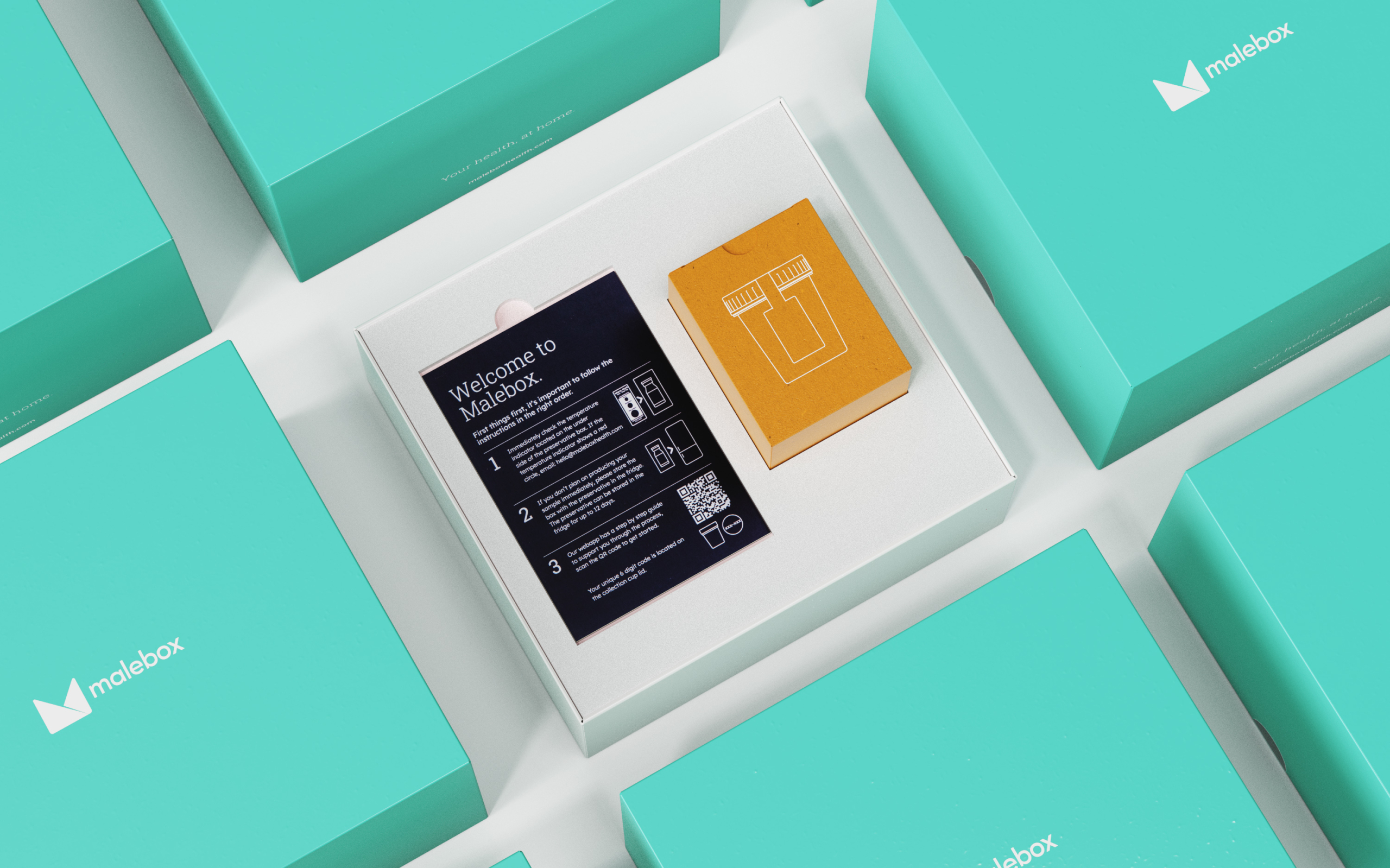
- At-home fertility testing is inherently stressful, so we helped Malebox create a premium, intuitive experience that removes the ‘patient’ stigma from the process. By prioritizing thoughtful packaging design, we transformed the journey from unboxing to sample return into something both accessible and discreet. This approach enhances the user experience as well as fundamentally reduces risk by ensuring samples are correctly collected and safely transported back to the lab.
- If you’re working on a medical device or a health-tech brand and want to make sure it actually resonates with people in the real world, let’s talk. We’d love to hear what you’re building.
Sign Up To Our Newsletter
We share insights, inspiration and free resources like this every month, in our free newsletter. If you’d like to join the hundreds of other design and innovation experts who get this direct to their inbox, you can sign up below.
Read more of our news
Key takeaways from the FDA’s General Wellness guidance for low-risk devices
As healthcare moves increasingly into the home, more products are offering advanced sensing that help us live better lives. However, there are limits on how far you can go without becoming a medical device. This is a summary of our takeaways from the FDA’s updated policy for teams developing products in healthcare innovation.
Read more