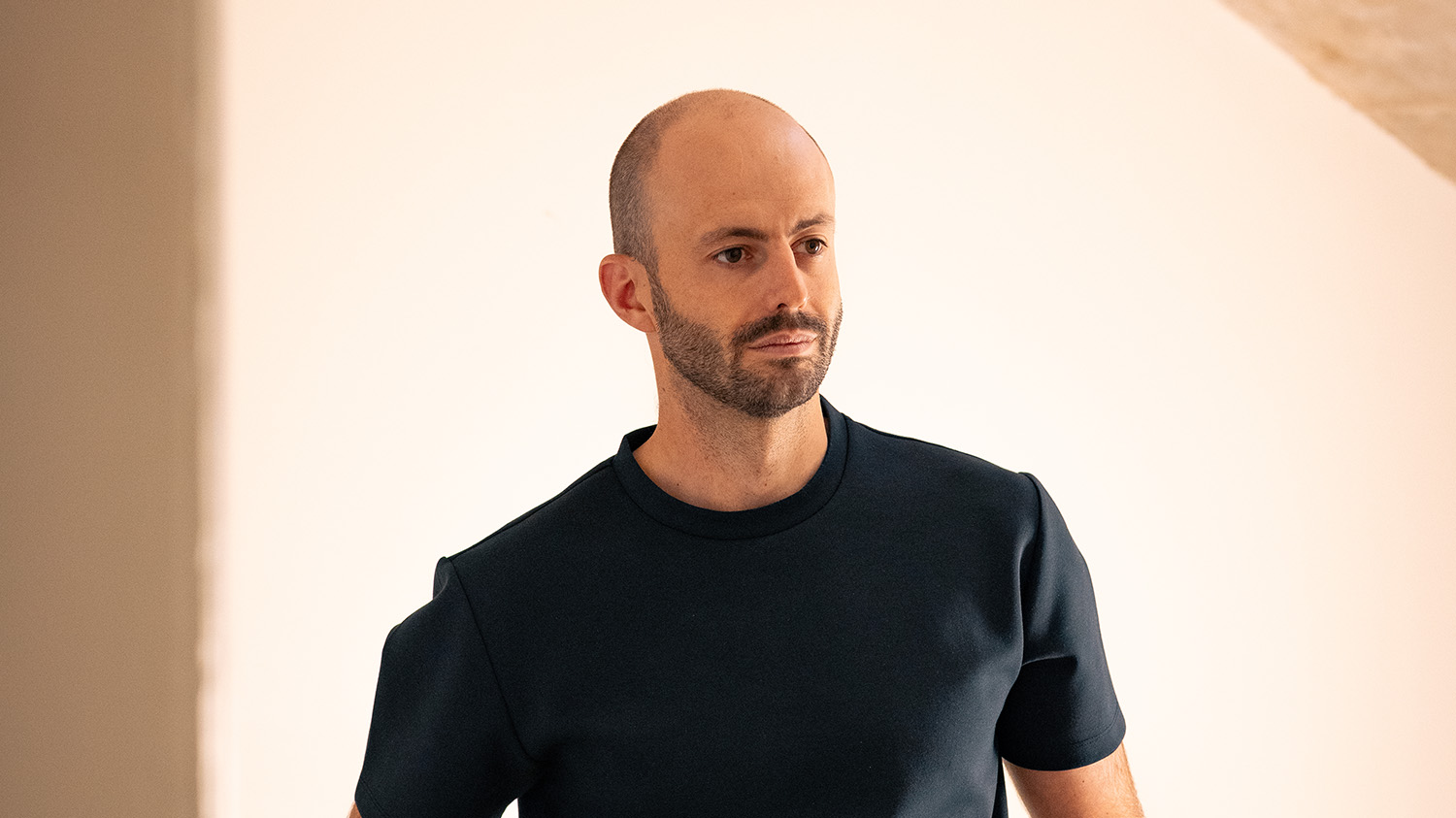
New episode: our co-founder Oscar Daws joins Duane Mancini on Episode 284 of the Project Medtech podcast, The Art of Medtech Design: Challenges, Usability and Branding.
In under 40 minutes, Oscar explains why design should shape a medical product from day one, not polish it at the end. He covers how designers keep patients and users at the heart of R&D, why packaging deserves more attention than it gets, and the design mistakes he sees medtech startups make again and again.
If you’re developing a medical, healthtech or wellness product, it’s a practical listen.
In brief:
• Design is most valuable at the start, defining what the product should be, and should stay involved through to design transfer.
• Designers are the voice of the user, shaping everything between the technology and the person using it.
• Medical products have many users: patients, clinicians and procurement teams all need designing for.
• Packaging and aesthetics do real work, from reducing usability risk to building brand.
• The most common startup mistake is bringing design in too late.
Why should design start at the beginning of a medtech project?
Design should start at the beginning because that is when it can still shape what the product is. Too often, Oscar explained, design is treated as “fairy dust” added at the end to make the engineering look good.
At the start of a project, designers help define the product vision: what the product needs to be for patients and users to get the most from the technology. They are good at listening to users and the market, and at asking the question nobody has asked yet. That is far easier before assumptions are baked in.
Design should then stay involved to the end. Detail engineering and design transfer are where cost targets, bill of materials pressure and technical risk start to force compromises. A designer in the room protects the decisions that users informed at the start.
Medical projects also bring more constraints than consumer ones: regulation, complex technology and high-volume manufacturing. Oscar sees these as the projects that demand the most creative design, not the least.
What does a designer do in medical device development?
A designer designs the interface between the technology and the person using it. Engineers develop the core technology; designers shape everything the patient or user touches and sees.
That includes:
• the device casework and controls
• the digital interface and app
• the instructions for use (IFU)
• the packaging
Throughout development, the designer is the voice of the user. They need to understand complex technology well enough to make it simple for the person at the end of the chain.
Who are you designing for in a medical product?
A medical product has several users, and each one needs designing for. The patient may be the end user, but clinicians, carers and procurement teams all shape whether a product succeeds. A procurement team may never use the device; they compare spec sheets.
This matters most for startups and scale-ups with a transformative core technology. The technology has to become a product people can use and want to use, with clear value for whoever is paying. As Oscar put it, a breakthrough wearable will have no impact if it is too bulky, or worn in the wrong place, for people to engage with it.
The work to understand every stakeholder happens at the start of a project, and it feeds the requirements. Getting requirements right early is one of the cheapest ways to avoid building the wrong product.
“There’s no point in having a transformative technology if it can’t be used by people, and people don’t want to use it.”
Oscar Daws - Founder, Tone Product Design
Why do packaging and aesthetics matter in medical device design?
Packaging and aesthetics matter because they affect usability, not just appearance.
Packaging has to protect the product and meet any sterility requirements. Beyond that, it is usually the user’s first physical experience of the product. Tone has delivered packaging-only projects where the device stayed the same, but the packaging design and messaging improved the first-use experience and reduced usability risk.
As medtech moves into direct-to-consumer health and wellness, packaging also carries the brand. Consumer tech has set the expectation; Oscar believes medical packaging is still underused.
Tone translates a client’s brand into a visual design language for the physical product: form, colour, materials, finishes and how parts click together.
Aesthetics also guide use. The shape of a button suggests how to press it. Tone’s rule is that every feature must be there for a reason, whether that reason is brand or usability.
What design mistakes do medtech startups make?
The most common mistake is bringing design in too late. Oscar named four:
1. Leaving design until the end. Design adds the most strategic value early, before assumptions are fixed.
2. Trying to serve everyone at once. Targeting a smaller group of users first is more focused and efficient. Broaden in later generations.
3. Letting the design vision erode. Late-stage pressures will push to water down the design. Those early decisions were usually informed by users, so someone needs to advocate for them to the end.
4. Keeping designers out of user testing. Reports miss the nuance of watching someone hesitate or look in the wrong place. Problems found early are fixed in the design; problems found late get patched in the IFU.
Oscar’s favourite part of the job is formative testing: putting a prototype in front of a user and watching, without guidance. Someone will always use it in a way nobody expected.
Listen to the full episode
The full conversation also covers how Oscar got into medical product design and the books he recommends for founders.
Every month, we curate the information and resources our clients find most valuable into a short newsletter. They use this to stay ahead, challenge their own thinking and improve processes.
Sign up below now to get it delivered straight to your inbox.
Get More Insights Like This
Read more of our news
8 MedTech funding opportunities for Autumn 2026
We've put together a collection of eight active funding opportunities for UK MedTech and life sciences companies this month, from competitions and prizes to specialist investors and government grants.
Read more