The wellness industry is entering a new phase. One defined by deeper human understanding, emerging health priorities, and more nuanced measures of wellbeing. These shifts create powerful opportunities to design products and services that are not just smarter but also more meaningful.
Wellness is rapidly becoming a central driver of innovation across both medtech and consumer markets. As the industry matures, the focus is shifting away from surface-level optimisation toward more holistic, human-centred approaches to health and wellbeing.
Drawing on insights from this year’s Global Wellness Summit’s Trends Report, several key themes stand out for designers and product developers. From advances in women’s health and longevity to the growing rejection of performance-driven optimisation in favour of intuitive health metrics, the landscape is evolving in both expected and surprising ways.
In this article, we explore these emerging trends and their implications for those designing the next generation of wellness products and services. Highlighting where meaningful opportunities lie, and how design can play a critical role in shaping a healthier future.
Trend 1: A culture shift towards women’s longevity
A significant movement is underway in how we understand women’s health and longevity. As funding slowly moves towards more equitable research into women’s health, we’re discovering new interventions to prevent accelerated systemic aging in women and to better preserve their quality of life. This marks a shift away from treating women’s health as a niche concern, instead, recognising it as central to the future of inclusive healthcare and wellness innovation.
The need for this shift is long overdue. While women tend to live longer than men, they also spend significantly more of their lives in poor health or with a disability. Historically, capital spending has failed to reflect this reality, with only 2% of healthcare venture capital going towards women’s health startups, of which 90% is narrowly concentrated on reproductive health. Crucially, new research highlights how the decline of ovarian function acts as a tipping point for systemic aging, increasing the risk of cardiovascular disease and diabetes. This is opening a new space for a more holistic approach to longevity.
In response, the wellness and longevity space is beginning to reframe its approach. With emerging science, the understanding of ovaries is being repositioned away from fertility towards the notion of a complex signalling network that acts as the “command centre” for regulating women’s organs and systems, and the key to women’s aging and longevity. For designers and innovators, this prompts a shift away from longevity models obsessed with extreme, competitive optimisation built predominantly on men’s data. Instead, the industry will refocus toward an integrative and human approach, extending women’s healthspan to support more years spent with strength, vitality, and independence.

Credit: Oura
Trend 2: Human wellbeing over performance optimisation
After years of quantifying every aspect of our lives with data points such as sleep scores, step counts, and heart rate variability, there is a growing appetite for softer, more intuitive signals of health. Wellness is beginning to move beyond performance metrics and embracing presence, connection, and how we actually feel, rather than how we score.
This shift is being driven in part by global studies indicating a rising “wellbeing burnout.” As tracking technologies have become ubiquitous, many people report feeling pressure to constantly improve their bodies, habits, and routines. What began as empowering insight has tipped into fixation, which therapists warn may undermine, rather than support, mental health. After a decade of optimisation culture, where health is tracked, analysed, and scored, consumers are starting to question whether constant self-tracking actually leads to better wellbeing, or simply more pressure.
In response, the wellness landscape is recalibrating. Major brands are switching from high-performance narratives toward messaging centred on softness, joy, and presence, while new experiences, from somatic practices and ‘scream circles’ to low-stimulation retreats and regulation-focused wearables, reflect a deeper desire for emotional safety and connection. This signals an opportunity to rethink how products measure and communicate health. Rather than amplifying pressure through dashboards and scores, the next generation of wellness solutions will prioritise reassurance, intuition, and human experience.
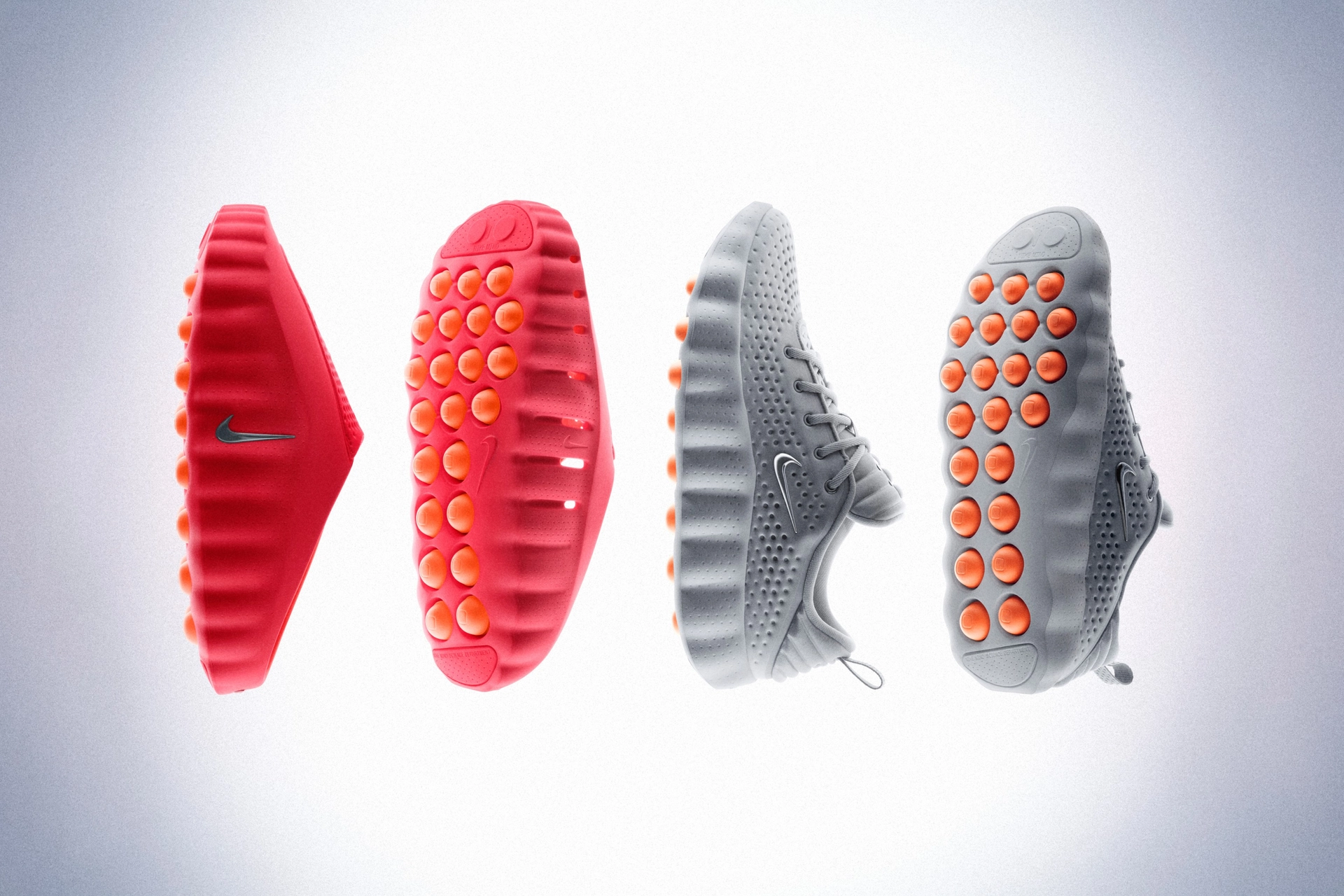
Credit: Nike - Nike's First Neuroscience-Based Footwear to Help Athletes Feel Calm, Focused and Present
Trend 3: Holistic wellness replaces “anti-aging” rhetoric in skin and beauty
A new narrative is taking hold in beauty and skincare. The rhetoric of “anti-aging” is being replaced with a more holistic view of long-term skin health. The perception of skin as both a living system and a diagnostic indicator of overall health is becoming increasingly popular, reflecting a broader move toward preventative care. As people live longer, the focus is shifting from reversing signs of aging to maintaining skin function, resilience, and vitality over time.
Backed by major investments and deep scientific research, skin diagnostics is gaining significant momentum and becoming highly sophisticated, such as L’Oréal’s Cell BioPrint, alongside growing interest in the skin microbiome. At Tone, this is reflected in projects like Symorea, where we designed a consumer test kit that translates complex microbiome data into clear, actionable insights. Pointing toward a future where skin health is continuously understood and supported through intuitive, user-centred design, and a new age of personalised, preventative care.
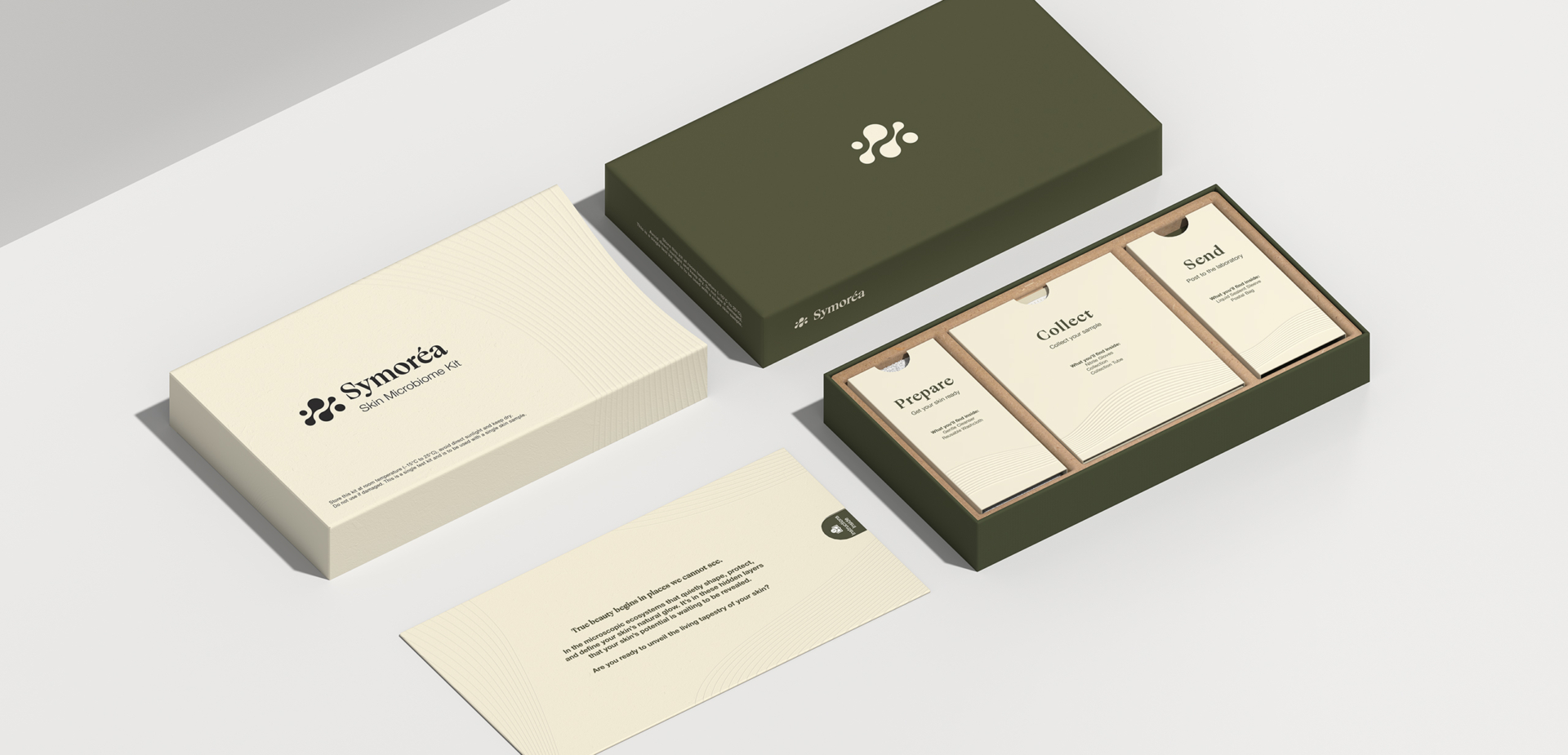
Symorea Skin Microbiome Kit
Trend 4: Microplastics as a direct human health concern
Microplastics are no longer viewed solely as an environmental challenge; they are a direct human health concern. With research detecting traces of microplastics in human blood, lungs, and even the brain, and their links to hormonal disruption, cardiovascular disease, and cognitive effects, the wellness and medical sectors are shifting the conversation from observation to intervention.
In response, a new wave of innovation is emerging, from treatments that claim to reduce microplastic load in the body to consumer products designed to minimise exposure, such as plastic-free textiles. Looking ahead, microplastics may become a routinely monitored health marker, influencing design decisions across fashion, packaging, architecture, food systems, and healthcare. The challenge is no longer awareness, but designing upstream solutions that reduce exposure at the source, integrating material science and health thinking into every stage of product development.
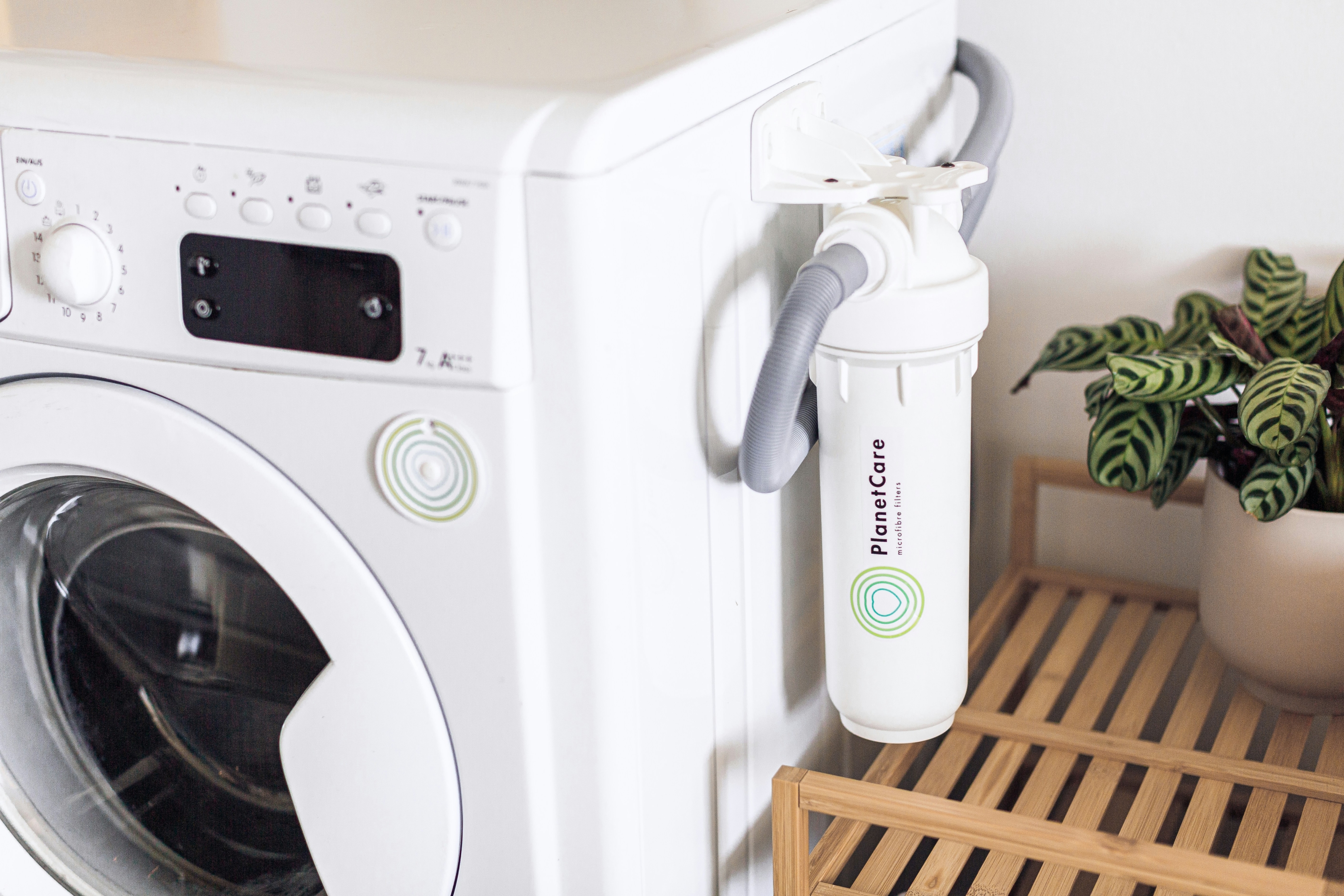
Credit: PlanetCare - Microfiber Filter to Catch Microplastics From Laundry
From the rise of women-centred longevity to the growing scrutiny of microplastics, this year’s trends point to a meaningful transformation already underway in the wellness landscape. For designers and innovators, the specifics of each trend may not directly shape every design brief, but together they signal a broader cultural shift that is opening up significant new commercial opportunities.
You can read more from The Global Wellness Summit’s 2026 Trends report here.
Every month, we curate the information and resources our clients find most valuable into a short newsletter. They use this to stay ahead, challenge their own thinking and improve processes.
Sign up below now to get it delivered straight to your inbox.
Sign up to our Newsletter
We share insights, inspiration and free resources like this every month, in our free newsletter. If you’d like to join the hundreds of other design and innovation experts who get this direct to their inbox, you can sign up below.
Read more of our news
Why the future of MedTech is being led by consumers
Medical technology is no longer confined to clinical settings. As health moves into our daily routines, Oscar Daws explores why the 'Consumerisation of MedTech' is the new frontier for design and the key to winning in a competitive market.
Read more