Note: This article constitutes an opinion only and is not regulatory advice. Always consult a regulatory professional.
As healthcare shifts into the home, products are increasingly blending advanced sensing with consumer product experiences.
On 6th January 2026, the FDA updated their long-standing position on the line between low risk wellness products and regulated medical devices, providing additional clarity for teams designing the next generation of connected health products built around modern technologies such as advanced sensors, apps and wearables.
For those teams, working out which side of the line your product falls on is of critical importance, and getting it wrong, or delaying this decision, is likely to be an extremely expensive mistake. The guidance, however, also presents an exciting and growing opportunity for healthcare innovation in an area where Tone Product Design has particular expertise.
We outline our key takeaways from this policy below:
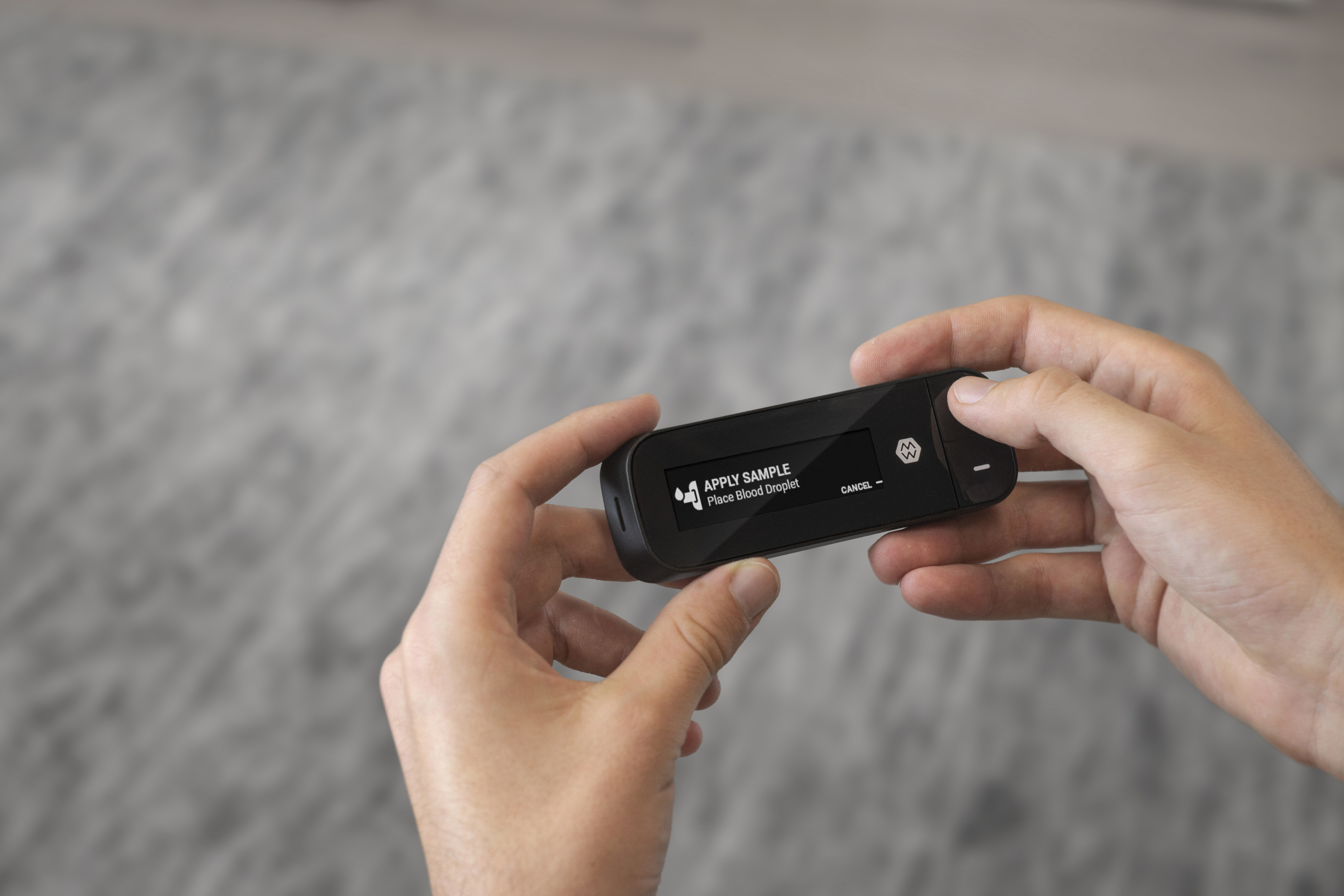
A clearer definition of a 'general wellness product'
One of the FDA’s definitions of a ‘general wellness product’ is when the intended use “relates to maintaining or encouraging a general state of health or a healthy activity” and does “not make any reference to diseases or conditions”.
This could include products making wellness claims related to areas such as physical fitness, sleep management, stress management, mental acuity and weight management.
The second category of general wellness products have intended uses that relate “the role of healthy lifestyle with helping to reduce the risk or impact of certain chronic diseases or conditions” – but importantly goes on to note that it must also be “well understood and accepted that healthy lifestyle choices may play an important role in health outcomes for the disease or condition”.
For example, the guidance indicates that a device that promotes eating a balanced diet, which may help living well with type 2 diabetes, could be defined as a general wellness product, provided it is “not intended to measure, estimate, or report physiologic values for medical or clinical purposes, including screening, diagnosis, monitoring, alerting, or management of a disease or condition” (among other requirements).
What is new in the revised guidance is the level of clarity around how far a product can go without being considered a medical device. Outputs such as trends, ranges or longitudinal summaries can still fall within wellness use, but there are tight limits on what can be communicated to the user before this information strays into regulated medical territory. This reinforces that the distinction is not just technical – it is shaped by claims, interface language and user expectations.
“Low risk” is as important as “wellness”
To be within scope of this policy, a product must not only be a general wellness product, it must also be low risk.
Physical and technological safety is key here, and the guidance indicates that low risk products must be non-invasive, not implanted, and not “pose a risk to the safety of users or other persons if specific regulatory controls are not applied”. It also makes clear that companies should consider whether their type of product is already specifically regulated – in which case this will inform the decision.
Product intent and communication
In our opinion, one of the most interesting aspects of the guidance is that regulatory status is shaped by the context of use and the claims a product makes, in addition to engineering.
The intended use, specific claims made and even the type of data presented are all integral, requiring great care with regard to how data is visualised and explained, and how product benefits are communicated in hardware, software, and marketing.
For example, a wearable product intended to assess activity and which outputs multiple biomarkers such as sleep quality and pulse rate could claim to be a general wellness product, so long as the technologies used can also be classed as low risk. However, if any claims made about the product’s functionality imply the product’s use in a medical or clinical context, then it could fall out of scope of the guidance.
This makes early collaboration between design, engineering and regulatory strategy essential, particularly for teams trying to operate in this growing space between consumer products and medical devices.

The revised General Wellness guidance can therefore be a design constraint and an innovation enabler.
For health-related startups, this creates both opportunity and risk. Products can move faster to market when designed clearly within the wellness category – but misjudging that boundary can lead to costly redesigns or reclassification later.
Therefore regulatory thinking must be integrated into early product strategy, not bolted on after design decisions have already been made.
We use our expertise in the design of both consumer products and medical devices to align user needs with product features and our client’s regulatory strategy. This requires careful attention to system behaviour and product positioning from the earliest feasibility stages. Ultimately supporting a clearer, safer path to market.
 Read the full policy below
Every month, we curate the information and resources our clients find most valuable into a short newsletter. They use this to stay ahead, challenge their own thinking and improve processes.
Sign up below now to get it delivered straight to your inbox.